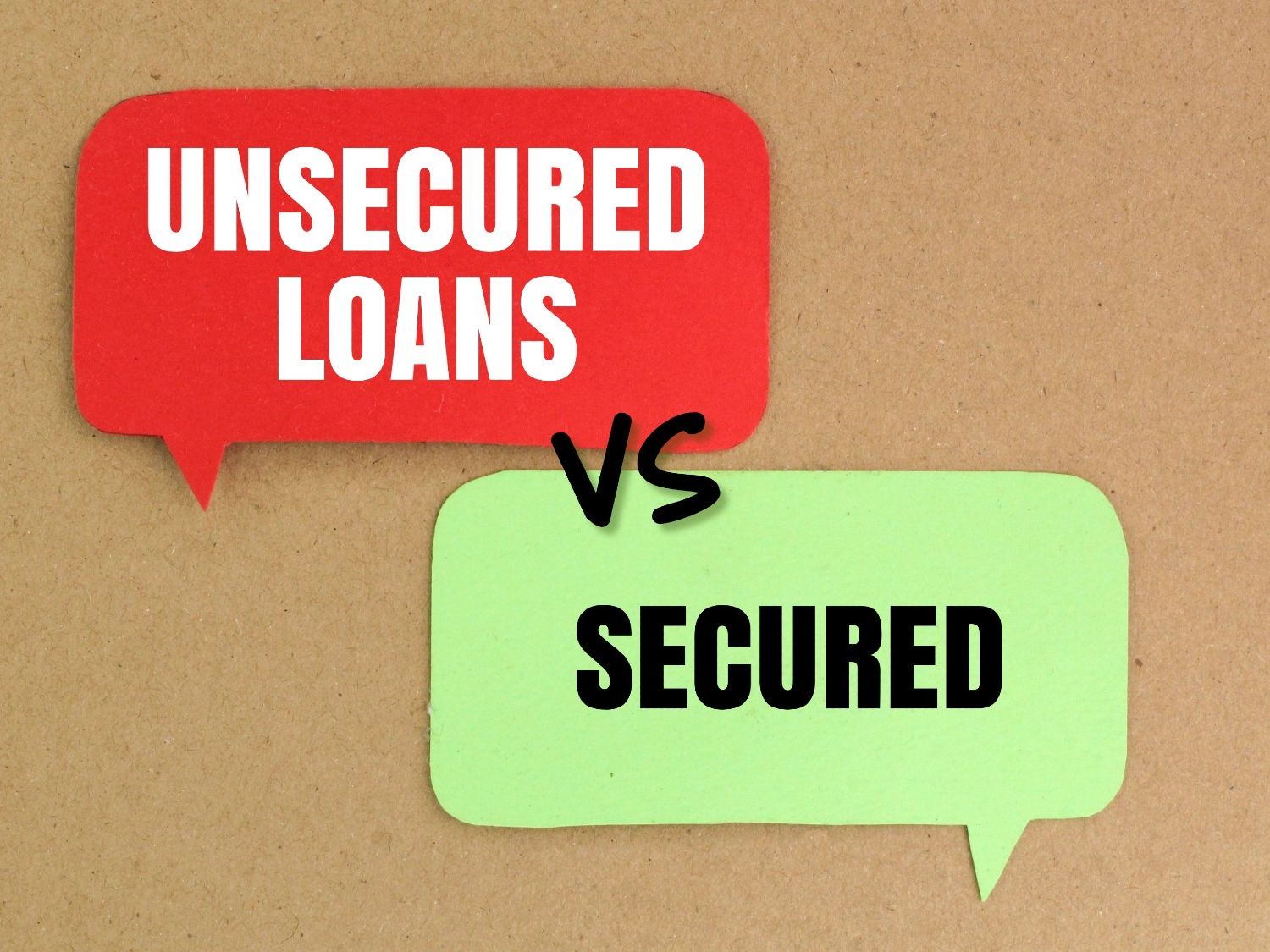
Personal loans can help individuals cover unexpected expenses, consolidate existing debt, finance home improvements, or manage major purchases. However, before applying for a loan, borrowers need to understand the differences between secured and unsecured personal loans. Although both options provide access to borrowed money, they differ in collateral requirements, approval criteria, interest rates, and the risks borrowers face if they cannot repay.
A secured personal loan requires the borrower to provide an asset as collateral, while an unsecured personal loan does not require specific property to guarantee repayment. This distinction can influence the interest rate offered, the amount a lender is willing to approve, and the consequences of default.
Neither option is automatically better for every borrower. The right choice depends on credit history, income, borrowing needs, available assets, and the ability to make regular payments.
This guide explains how secured and unsecured personal loans work, compares their advantages and disadvantages, and outlines the factors borrowers should consider before choosing either option.
Read: Best Debt-Consolidation Loans: Top Lenders, Benefits, Rates, and How to Choose
What Is a Secured Personal Loan?
A secured personal loan is a type of borrowing backed by an asset that the lender can claim under the loan agreement if the borrower defaults. This asset is known as collateral. Depending on the lender and product, acceptable collateral may include savings deposits, certificates of deposit, or other eligible assets.
For example, a borrower might obtain a loan secured by funds held in a savings account. If the borrower fails to meet the repayment obligations, the lender may have the right to recover the outstanding amount from the pledged funds, subject to the contract and applicable law.
Because the loan is supported by collateral, the lender may face less risk than it would with an otherwise comparable unsecured loan. This can sometimes result in more favorable interest rates or approval terms.
However, secured personal loans are not necessarily available from every bank or online lender. Some financial institutions offer secured borrowing through specific products rather than conventional personal loans.
How Secured Personal Loans Work
The application process typically begins with a borrower submitting financial information and identifying an eligible asset to secure the loan. The lender evaluates the applicant’s income, creditworthiness, existing obligations, and the value or eligibility of the collateral.
If the application is approved, the lender establishes the loan amount, interest rate, repayment schedule, and collateral requirements. The borrower then receives the funds and makes payments according to the agreement.
The asset may remain in the borrower’s possession, depending on the product, but restrictions can apply. For example, funds pledged in a savings account may become unavailable for withdrawal until the loan is repaid or the lender releases the collateral.
If the borrower defaults, the lender may take legally permitted steps to recover the debt through the pledged asset. The precise process depends on the collateral arrangement, contract terms, and applicable regulations.
What Is an Unsecured Personal Loan?
An unsecured personal loan is a loan that does not require the borrower to pledge a specific asset as collateral. Instead, the lender evaluates the applicant’s credit history, income, debt obligations, employment or other sources of earnings, and overall ability to repay.
Many traditional bank personal loans and online personal loans are unsecured. Borrowers may use approved funds for purposes such as consolidating credit card balances, covering medical expenses, paying for repairs, or financing certain major purchases.
Because there is no designated collateral securing the loan, the lender relies more heavily on the borrower’s financial profile and repayment capacity.
Read: SBA 504 loan and the SBA 7(a) loan: Which Is Better for Your Business?
How Unsecured Personal Loans Work
Applicants generally provide personal identification, income details, employment information where relevant, and permission for the lender to assess their credit history. Some lenders allow applicants to prequalify using a soft credit inquiry before submitting a formal application.
If approved, the borrower receives an offer specifying the loan amount, annual percentage rate (APR), repayment period, monthly payment, and applicable fees.
The borrower then repays the loan through scheduled installments. Many unsecured personal loans have fixed interest rates, although product structures vary by lender.
If the borrower stops making payments, the absence of collateral does not eliminate the obligation to repay. The lender may report delinquent payments to credit bureaus, pursue collection activities, or take legal action where permitted. A court judgment may lead to further enforcement measures under applicable law.
Secured vs. Unsecured Personal Loans: Key Differences
The most important differences between these loans relate to collateral, interest rates, approval standards, borrowing limits, and the consequences of nonpayment.
1. Collateral Requirements
The clearest distinction is whether the lender requires an asset to guarantee repayment.
Secured personal loans require eligible collateral. Depending on the agreement, this might involve pledged savings or another acceptable asset. If the borrower defaults, the lender may be able to recover the outstanding debt from that asset.
Unsecured personal loans do not require a specific asset to be pledged. Borrowers can obtain financing without placing their savings, vehicle, or property directly at risk as designated collateral.
However, unsecured borrowing still carries financial and legal consequences if payments are missed.
2. Interest Rates and Borrowing Costs
Secured loans may offer lower interest rates because collateral can reduce the lender’s potential losses. A borrower who pledges eligible savings may therefore receive more favorable terms than they would qualify for on an unsecured loan.
Unsecured loans generally expose lenders to greater credit risk. As a result, interest rates may be higher, especially for applicants with weak credit histories or high existing debt.
Nevertheless, collateral does not guarantee a low rate. Lenders also consider creditworthiness, income, loan size, repayment term, and the type of asset offered.
Borrowers should compare APRs rather than interest rates alone because APR generally incorporates interest and certain mandatory loan fees.
3. Approval Requirements
Secured loans may be more accessible to some applicants because collateral provides an additional source of repayment. However, lenders still assess whether the borrower can afford the monthly installments.
Unsecured loans typically depend more heavily on credit history, income stability, and existing financial commitments. Applicants with strong credit and manageable debt may qualify for competitive offers, while others could face higher rates or rejection.
Approval policies differ between lenders, so neither type guarantees acceptance.
Read: Mortgage Preapproval Requirements: What You Need to Qualify
4. Loan Amounts and Repayment Terms
The amount available through a secured loan may depend partly on the value and type of collateral. A lender may limit the loan to a percentage of an eligible asset’s value.
Unsecured personal loan amounts are usually determined by the lender’s product limits and the applicant’s creditworthiness and repayment capacity.
Repayment periods also vary. Both secured and unsecured loans may offer different terms, depending on the provider. A longer repayment period can reduce monthly payments but may increase total interest costs.
5. Consequences of Default
With a secured loan, default can place the pledged asset at risk. The lender may exercise its contractual rights to recover the outstanding balance from the collateral, following applicable legal procedures.
With an unsecured loan, the borrower does not risk a specifically pledged asset under the original loan agreement. However, missed payments can damage credit, generate fees, and lead to collection efforts or litigation. Depending on the jurisdiction and circumstances, a creditor may obtain a judgment and pursue legally authorized enforcement.
The practical difference is that secured borrowing creates a direct connection between the debt and a particular asset.
Advantages of Secured Personal Loans
Secured loans can be useful for borrowers who have eligible assets and want to explore potentially lower-cost financing.
Potentially lower interest rates: Collateral may reduce the lender’s risk, which can result in a more competitive APR for qualified applicants.
Possible access for some credit-challenged borrowers: Some secured products may be available to applicants who would struggle to qualify for comparable unsecured financing.
Potentially higher borrowing capacity: Depending on the collateral and lender’s rules, an asset-backed loan may provide access to a larger amount than an unsecured alternative.
Opportunity to build repayment history: Consistent payments can help establish a positive payment record when the lender reports the account to credit bureaus. Results depend on the product and reporting practices.
Disadvantages of Secured Personal Loans
The main drawback is the possibility of losing the pledged asset after default. An applicant should not risk essential savings or valuable property without carefully considering the consequences.
Collateral requirements can also create restrictions. Pledged savings, for example, may be inaccessible while they secure the loan.
In addition, providing collateral does not remove the need to demonstrate repayment capacity. Borrowers may still be rejected if their income is insufficient or their existing debts are too high.
Read: Loan Refinancing vs. Debt Consolidation: What Is the Difference?
Advantages of Unsecured Personal Loans
Unsecured loans appeal to borrowers who want financing without pledging a specific asset.
No designated collateral: Borrowers generally do not need to place a savings account, vehicle, or property under a collateral agreement.
Simpler asset requirements: Applicants can pursue financing without arranging a collateral valuation or meeting asset-specific conditions.
Potentially fast access to funds: Some lenders offer streamlined online applications and quick decisions, although funding times depend on verification requirements and the lender.
Flexible uses: Many unsecured personal loans can be used for several permitted purposes, including debt consolidation, emergency expenses, and home repairs.
Disadvantages of Unsecured Personal Loans
Unsecured loans can carry higher interest rates because the lender has no specific collateral to recover if the borrower defaults.
Applicants with poor credit or limited credit histories may face expensive offers, lower borrowing limits, or rejection.
Late payments can also damage credit scores and trigger collection activity. Although the borrower has not pledged a particular asset, unsecured debt remains legally enforceable.
When Should You Choose a Secured Personal Loan?
A secured personal loan may be appropriate when you have an eligible asset, understand the risks, and can obtain a meaningfully better overall borrowing offer.
For example, someone with savings that can be pledged may consider a savings-secured loan if its APR is lower than the rate available on an unsecured alternative. However, the borrower should compare the interest saved with the interest that the pledged funds could otherwise earn and consider whether losing access to those funds creates a financial problem.
Secured borrowing may also be worth exploring when an applicant has difficulty qualifying for an unsecured loan. Even then, the monthly payment must be affordable, and the potential loss of collateral should be acceptable.
Avoid using an essential asset as collateral simply to secure approval for a loan that your budget cannot support.
When Should You Choose an Unsecured Personal Loan?
An unsecured personal loan may be a better choice if you have a solid credit profile, sufficient income, and access to competitive loan terms without pledging an asset.
It can also suit borrowers who prefer to keep their savings and property separate from their borrowing arrangements.
For example, a borrower consolidating several credit card balances may prefer an unsecured fixed-rate loan if its APR and fees are lower than the cost of the existing debts. This could simplify repayment without placing savings at direct collateral risk.
Before applying, calculate the total amount required to clear the existing balances and make sure the new payment fits your budget. Consolidation is less effective if you continue accumulating new credit card debt after paying off the original accounts.
Read:How Debt-Consolidation Loans Work
How to Compare Loan Offers Before Applying
Whether you choose secured or unsecured financing, examine the following factors:
- APR: Compare the annual borrowing cost, including applicable fees.
- Monthly payment: Confirm that the scheduled installment fits your income and essential expenses.
- Total repayment amount: Calculate how much you will pay over the full loan term.
- Fees: Check for origination charges, late-payment fees, and other costs.
- Repayment flexibility: Determine whether early repayment is permitted without a penalty.
- Collateral terms: For secured loans, understand precisely what asset is pledged and how the lender may recover the debt.
- Lender credibility: Review the lender’s regulatory status, contract terms, and complaint-handling process.
Prequalification can help you compare potential offers, but confirm whether it uses a soft credit inquiry and understand that a formal application may require a hard inquiry.
Final Thoughts
Secured and unsecured personal loans both provide access to financing, but they serve different needs. Secured loans may offer lower interest rates or alternative approval opportunities in exchange for putting an asset at risk. Unsecured loans avoid designated collateral requirements but may be more expensive for borrowers who do not qualify for competitive rates.
The best option depends on your financial circumstances, credit profile, available assets, and repayment capacity. Compare personalized offers carefully, evaluate the full cost of borrowing, and avoid taking on payments that could jeopardize essential expenses.
Ultimately, the most suitable personal loan is not necessarily the one with the lowest advertised rate or the easiest approval process. It is the one that meets your needs at a reasonable cost while allowing you to repay the debt responsibly.
Disclaimer: This article is for educational purposes only and does not constitute individualized financial advice. Loan availability, eligibility requirements, fees, and legal consequences vary by lender and jurisdiction. Review the loan agreement carefully before borrowing.

Contact us; Kokobest04@gmail.com
- Best Same-Day Personal Loans for Emergencies: Top Lenders, Costs, and How to Apply - October 20, 2026
- Secured vs. Unsecured Personal Loans: Key Differences, Benefits, Risks, and How to Choose - October 20, 2026
- Best Debt-Consolidation Loans: Top Lenders, Benefits, Rates, and How to Choose - October 20, 2026














1 thought on “Secured vs. Unsecured Personal Loans: Key Differences, Benefits, Risks, and How to Choose”