Having a bad credit score can make it difficult to qualify for traditional credit cards, personal loans, mortgages and other financial services in the United States. Many banks and credit card companies consider an applicant’s credit history before approving a new account. Individuals with missed payments, high outstanding balances, previous defaults, collections or bankruptcy records may find it challenging to obtain credit.
However, having a poor credit history does not mean that getting a credit card is impossible. Several financial institutions in the United States offer credit cards specifically designed for people with bad credit or limited credit histories. These cards can help customers establish positive payment records, rebuild their credit profiles and gradually qualify for better financial products.
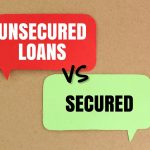
The best credit cards for bad credit in the USA generally include secured credit cards, unsecured credit cards and credit-building cards. Some require a refundable security deposit, while others allow eligible applicants to obtain a credit line without making an upfront deposit.
Choosing the right card requires careful consideration of annual fees, interest rates, security deposits, credit reporting policies and opportunities to upgrade to an unsecured card.
This article explores some of the best credit cards for bad credit in the United States in 2026, their major features, advantages, disadvantages and how consumers can use them to improve their financial standing.
Read: PNC Bank Routing Number: How to Find, Check and Use the Correct Routing Number
What Is a Credit Card for Bad Credit?
A credit card for bad credit is a financial product designed for individuals who have difficulty qualifying for conventional credit cards because of their credit history.
In the United States, FICO credit scores below 580 are generally classified as poor. People within this category may struggle to obtain approval for credit cards offering attractive rewards, low interest rates and high spending limits.
However, specialised credit card issuers provide products that consider applicants who have experienced financial difficulties.
These cards generally fall into two categories.
1. Secured Credit Cards
A secured credit card requires the customer to provide a refundable security deposit before the account becomes active. The deposit usually determines the card’s initial credit limit.
For example, someone who provides a $300 security deposit may receive a credit limit of $300.
The deposit reduces the lender’s financial risk because it provides security against unpaid balances. Customers can use the card for purchases, make monthly payments and establish a positive payment history.
2. Unsecured Credit Cards
Unsecured credit cards do not require an upfront security deposit. Instead, the credit card company evaluates the applicant’s income, credit history and other financial information before deciding whether to approve the application.
Although these cards may be easier to obtain than premium credit cards, they can have higher interest rates, annual fees and additional charges.
For individuals with poor credit, comparing the total cost of an unsecured card against a secured alternative is particularly important.
Best Credit Cards for Bad Credit in USA in 2026
The following credit cards are worth considering when looking for ways to rebuild credit in the United States. Each has different eligibility requirements and financial features.
1. Discover it Secured Credit Card
The Discover it Secured Credit Card is one of the popular options for consumers who want to rebuild their credit while earning cash back on eligible purchases.
Unlike many traditional secured cards, this product offers a rewards programme that allows customers to earn cash back when purchasing eligible items.
Key features include:
-
$0 annual fee.
-
Refundable security deposit starting at $49 for eligible applicants.
-
Credit line starting at $200.
-
5% cash back on eligible rotating categories after activation, up to quarterly limits.
-
1% cash back on other eligible purchases.
-
First-year Cashback Match offer for eligible new cardholders.
Discover also reports account activity to the major credit bureaus, helping responsible customers establish a positive credit history.
One important consideration is that the rotating rewards categories require activation and have spending limits. Customers should also review the current interest rate before applying.
This card is particularly suitable for individuals who want to combine credit rebuilding with basic cash back rewards.
CNBC+1
2. Capital One Platinum Secured Credit Card
The Capital One Platinum Secured Credit Card is another strong option for Americans with poor or limited credit histories.
One of its major advantages is that eligible applicants may qualify for a $200 initial credit line with a refundable security deposit of $49, $99 or $200.
This makes it attractive to individuals who cannot afford to deposit several hundred dollars before opening a credit card account.
Major features include:
-
No annual fee.
-
Refundable security deposit starting at $49 for eligible applicants.
-
Initial credit line of at least $200.
-
No rewards programme.
-
Opportunity for a credit limit review after six months.
-
Potential to earn back the security deposit with responsible use.
Capital One also provides online account management and credit monitoring tools.
The card is useful for people who want a relatively straightforward credit-building product without paying an annual membership fee.
However, approval is not guaranteed. Applicants must satisfy Capital One’s eligibility and underwriting requirements.
Capital One+1
3. Capital One Quicksilver Secured Cash Rewards Credit Card
The Capital One Quicksilver Secured Cash Rewards Credit Card is designed for customers who want to rebuild their credit while earning rewards on everyday purchases.
Unlike basic secured credit cards that do not offer rewards, this card provides cash back on eligible purchases.
Its major features include:
-
$0 annual fee.
-
Refundable security deposit, generally starting at $200.
-
1.5% cash back on eligible everyday purchases.
-
5% cash back on eligible hotels, vacation rentals and rental cars booked through Capital One Travel.
-
Credit-building opportunities through responsible account management.
Customers can earn rewards while making ordinary purchases such as groceries and other everyday expenses.
The card may also provide opportunities for a credit limit review and eventual upgrade, depending on the customer’s account performance and eligibility.
It is particularly suitable for people who can afford the security deposit and want more benefits than a basic secured card.
4. OpenSky Secured Visa Credit Card
The OpenSky Secured Visa Credit Card is designed for individuals who have experienced credit difficulties and want another opportunity to establish a positive payment record.
One of its notable features is that applicants can apply without a traditional credit check.
This may make it attractive to individuals with previous late payments, collections or other negative credit information.
Important features include:
-
No traditional credit check for application.
-
Refundable security deposit generally starting at $200.
-
Annual fee of $35 for the standard card.
-
Reports payment activity to the major credit bureaus.
-
Visa acceptance at participating merchants.
The card can be particularly helpful for people who have difficulty obtaining approval through conventional credit card applications.
However, customers should compare the annual fee with other secured cards before applying. OpenSky also offers different card versions, and their fees and eligibility conditions may vary.
It is important to remember that avoiding a traditional credit check does not mean automatic approval.
Read: How to Check Wells Fargo Bank Routing Number and List by State
5. Chime Secured Visa Credit Card
The Chime Secured Visa Credit Card is a credit-building option designed for customers who want to establish or improve their credit history.
Unlike conventional secured credit cards, Chime’s Credit Builder arrangement works differently. Customers move money into their secured account and use available funds to support card spending.
Its notable features include:
-
No annual fee.
-
No interest charged on purchases in the usual revolving-credit-card manner.
-
No minimum security deposit in the conventional secured-card sense.
-
Credit reporting to major credit bureaus.
-
Spending supported by money transferred into the secured account.
Customers generally need an eligible Chime account and must satisfy the company’s account requirements.
The card may be useful for individuals who want to develop responsible payment habits without accumulating traditional revolving credit card debt.
However, it is important to understand that the card is not identical to a conventional credit card. Its spending and repayment arrangements are different, and eligibility requirements apply.
6. The Secured Self Visa Credit Card
The Self Visa Secured Credit Card is another option for individuals who want to rebuild their credit without undergoing a traditional hard credit inquiry.
The card is connected to Self’s credit-building services, which allow eligible customers to develop payment history and build savings.
Its features include:
-
Minimum security deposit of $100.
-
No hard credit check for the card application.
-
No annual fee during the first year.
-
$25 annual fee after the first year.
-
27.49% variable APR.
-
Reports payment activity to the major credit bureaus.
One advantage is that customers may be able to qualify for the secured card after establishing a savings history through an eligible Self Credit Builder Account.
However, eligibility depends on meeting Self’s income, expense and account requirements.
7. AvantCard Credit Card
The AvantCard Credit Card is an unsecured credit card that may be suitable for applicants with less-than-perfect credit.
Unlike secured cards, customers do not have to provide a refundable security deposit to establish the account.
Its potential advantages include:
-
No upfront security deposit.
-
Unsecured credit facility.
-
Online account management.
-
Eligibility consideration for applicants with limited or damaged credit histories.
The card’s annual fee, APR and credit limit depend on the specific offer presented to the applicant. Some offers have no annual fee, while others may have different pricing.
Customers should carefully review the terms before accepting an offer because unsecured credit cards for bad credit can carry relatively high interest rates.
AvantCard is worth comparing for individuals who prefer not to tie up money in a security deposit.
Read: How to check and list of Bank of America Routing Numbers
Comparison of the Best Credit Cards for Bad Credit
The following table summarises the major options discussed in this article.
| Credit card | Annual fee | Security deposit | Best feature |
|---|---|---|---|
| Discover it Secured | $0 | From $49* | Cash back |
| Capital One Platinum Secured | $0 | From $49 | Low deposit |
| Capital One Quicksilver Secured | $0 | From $200 | Everyday rewards |
| OpenSky Secured Visa | $35 | From $200 | No traditional credit check |
| Chime Credit Builder | $0 | No conventional deposit | Flexible credit building |
| Self Visa Secured | $0 first year; $25 thereafter | From $100 | No hard credit check |
| AvantCard | Offer-dependent | None | Unsecured credit |
*Discover’s minimum deposit is available to eligible applicants. Fees, deposits, interest rates and offers may change. Check the issuer’s current terms before applying.
How to Choose the Best Credit Card for Bad Credit
Selecting the right credit card requires more than looking at the advertised benefits. Consumers should consider their financial circumstances and long-term credit-building objectives.
1. Compare Annual Fees
Some credit cards charge annual membership fees, while others do not. A card with a high annual fee can become expensive, particularly when the initial credit limit is low.
Where possible, consider cards with no annual fees.
2. Check the Security Deposit
Secured credit cards require an initial deposit. Before applying, ensure that you can afford the required amount without affecting your ability to pay essential expenses.
Remember that a refundable security deposit is not the same as a payment towards your monthly credit card balance.
3. Consider Credit Bureau Reporting
Choose a card that reports payment activity to the three major credit bureaus: Experian, Equifax and TransUnion.
This is important because positive payment information can help establish or improve your credit history.
4. Examine Interest Rates
Credit cards for bad credit often have higher APRs than premium cards.
If possible, pay the statement balance in full every month to avoid interest charges on purchases when the account provides a grace period and the customer qualifies for it.
5. Look for Upgrade Opportunities
Some secured credit cards provide opportunities to qualify for higher credit limits or transition to unsecured credit cards.
This can be useful when your financial circumstances improve and your credit history becomes stronger.
How to Improve Your Credit Score Using a Credit Card
Obtaining a credit card is only the first step towards rebuilding credit. Developing responsible financial habits is equally important.
Here are five practical ways to improve your credit profile:
-
Pay bills on time: Payment history is an important component of FICO credit scores. Always make at least the required minimum payment before the due date.
-
Maintain low credit utilisation: Try to keep your reported credit card balance below 30% of your available credit limit. Lower utilisation may be beneficial.
-
Avoid unnecessary applications: Submitting several credit card applications within a short period can result in multiple hard inquiries.
-
Monitor your credit reports: Check your reports regularly for incorrect balances, unfamiliar accounts and inaccurate payment information.
-
Maintain older accounts responsibly: Keeping well-managed accounts open may help preserve the length of your credit history, depending on the account and circumstances.
Consumers can obtain free weekly credit reports through the official AnnualCreditReport.com website.
Frequently Asked Questions
1. Can I get a credit card with a 500 credit score in the USA?
Yes. Some secured credit cards are designed for people with poor credit scores. Approval depends on the issuer’s requirements, income and other financial circumstances.
2. Which credit card is easiest to get with bad credit?
OpenSky Secured Visa and certain credit-building products may be accessible to people with poor credit. However, no card guarantees approval for every applicant.
3. Can I get an unsecured credit card with bad credit?
Yes. Some issuers offer unsecured cards to applicants with damaged credit histories. However, these products may charge higher fees and interest rates.
4. Do secured credit cards improve credit scores?
They can help improve credit when the issuer reports account activity to the major credit bureaus and the customer consistently makes payments on time.
5. How much money do I need to open a secured credit card?
The amount depends on the card. Some options require deposits starting at $49, while others require $100, $200 or more.
6. How long does it take to rebuild bad credit?
There is no fixed period. Some people may notice improvements within several months, while rebuilding a severely damaged credit history can take years.
Conclusion
Finding the best credit cards for bad credit in the USA requires careful consideration of fees, interest rates, security deposits and credit reporting policies.
The Discover it Secured Credit Card is an attractive option for consumers interested in cash back rewards, while Capital One Platinum Secured is worth considering for its relatively low initial deposit. Capital One Quicksilver Secured offers everyday cash back, and OpenSky provides an alternative for applicants who want to avoid a traditional credit check.
Consumers who prefer an unsecured option can also investigate AvantCard, subject to its eligibility requirements and applicable fees.
Ultimately, the main purpose of obtaining a credit card for bad credit should be to establish responsible financial habits and rebuild a positive credit history. By choosing an affordable card, making payments on time and keeping balances low, consumers can gradually strengthen their credit profiles and improve their chances of qualifying for better financial products in the future.

Contact us; Kokobest04@gmail.com
- Best Credit Cards for Bad Credit in USA: Top Options to Rebuild Your Credit Score - November 18, 2026
- PNC Bank Routing Number: How to Find, Check and Use the Correct Routing Number - November 18, 2026
- How to Check Wells Fargo Bank Routing Number and List by State - November 18, 2026