Having several debts at once can make personal finances harder to manage than they need to be. A borrower may have a credit card balance, a personal loan, medical bills, or other outstanding obligations, each with its own interest rate, payment date, and terms. Keeping up with everything can become stressful, particularly when income is limited or expenses change from month to month.
Debt consolidation offers one way to bring multiple debts together. Instead of continuing to repay several creditors separately, a borrower takes out a new loan and uses the proceeds to pay off some or all of the existing balances. The borrower is then left with one new debt to repay.
The concept is simple, but deciding whether consolidation is worthwhile requires more than looking at the new monthly payment. The interest rate, fees, repayment period, credit profile, and spending habits all have a bearing on whether the strategy will actually improve a person’s financial position.
Read: FHA vs. Conventional Loans: What Is the Difference?
What Does Debt Consolidation Mean?
Debt consolidation is the process of combining multiple debts into a single repayment arrangement. A consolidation loan is commonly used to pay off several existing balances, after which the borrower makes payments toward the new loan.
Consider someone who has four separate unsecured debts. Each account requires a monthly payment, and each may have a different interest rate. If the borrower qualifies for a consolidation loan large enough to clear those balances, the old debts can be settled and replaced with the new loan.
The borrower has not technically eliminated the debt. The amount owed has simply been reorganised.
That distinction is important. Consolidation can make repayment more convenient and may lower borrowing costs, but it does not erase what the borrower owes. The financial benefit comes from obtaining better or more manageable terms.
Why Borrowers Consider Debt Consolidation
There are several reasons someone might consider this approach.
The first is simplicity. Making one payment each month can be easier than remembering several due dates. Fewer accounts may also make it easier to monitor progress.
The second is the potential to reduce the cost of borrowing. If existing debts have relatively high interest rates and a borrower qualifies for a consolidation loan at a lower rate, the amount paid toward interest could decrease.
Another reason is predictability. Some consolidation loans have fixed interest rates and fixed repayment schedules. This can make monthly budgeting easier because the borrower knows the expected payment and the approximate date when the loan will be paid off.
Consolidation can also provide a structured path out of debt. Rather than making minimum payments indefinitely on revolving accounts, a fixed-term loan may establish a specific repayment period.
These advantages are not guaranteed, however. The new loan must be evaluated against the debts it is replacing.
The Basic Process
Debt consolidation usually follows several steps.
Step 1: List Existing Debts
Before applying for a loan, the borrower should identify every debt that may be consolidated. This includes the outstanding balance, interest rate, minimum monthly payment, and remaining repayment period.
The purpose is to establish an accurate picture of the current financial situation.
Step 2: Calculate the Amount Needed
Once the balances have been identified, the borrower can determine how much financing would be required to pay them off.
It is generally better to borrow only what is necessary rather than automatically accepting the maximum amount offered by a lender.
Step 3: Compare Loan Offers
The next stage is to compare lenders. Important factors include the interest rate, annual percentage rate, fees, repayment term, monthly payment, and total amount that will be repaid.
A lender offering the smallest monthly payment is not necessarily providing the cheapest loan.
Step 4: Apply for Financing
The lender may assess the borrower’s credit history, income, existing debts, employment or business income, and other financial information. Requirements vary considerably between lenders.
Step 5: Pay Off Existing Accounts
If the loan is approved, the proceeds are used to settle the debts being consolidated. Some lenders may send payments directly to creditors, while others may deposit the funds with the borrower.
Step 6: Repay the New Loan
Once the old balances have been settled, the borrower begins making payments under the new loan agreement.
At this point, keeping track of the new repayment schedule becomes the main priority.
Read: What is the difference between Home Equity Loan vs. HELOC
Understanding the Interest Rate
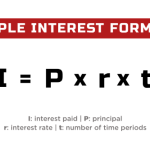
The interest rate can determine whether consolidation saves money or simply changes the appearance of the debt.
Suppose a borrower has several balances carrying relatively high rates. If the consolidation loan has a significantly lower rate, the borrower may pay less interest over time.
But there is another side to the calculation.
A loan with a lower rate can still cost more overall if it stretches repayment over a much longer period. For example, reducing a three-year repayment schedule to six years could make monthly payments more affordable while increasing the number of months during which interest is charged.
For this reason, borrowers should consider both the interest rate and the total repayment cost.
Monthly Payment vs. Total Cost
Monthly affordability matters, but it should not be the only measure used to judge a consolidation loan.
A smaller monthly payment can make a debt easier to fit into a household budget. That can be valuable if the existing payments are putting pressure on cash flow.
However, a low payment may result from a longer loan term rather than a cheaper loan.
Imagine two financing offers. The first requires a higher monthly payment but ends in three years. The second has a lower payment but lasts seven years. The second option may appear more attractive at first glance, yet the borrower could pay substantially more interest before the balance reaches zero.
The better comparison is therefore the overall cost of each option.
What Types of Debt Can Be Consolidated?
The types of debt that can be consolidated depend on the lender and the particular loan product.
Common examples can include credit card balances, unsecured personal loans, certain medical expenses, and other qualifying consumer debts.
Not every liability will necessarily qualify. Mortgages, secured loans, tax obligations, student debt, or other specialised forms of borrowing may be subject to separate rules.
Before applying, borrowers should confirm which debts the lender permits them to consolidate. They should also determine whether paying off the existing loans early creates additional charges.
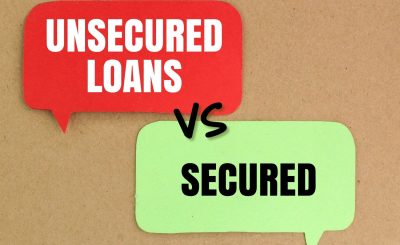
Secured vs. Unsecured Consolidation
A consolidation loan may be secured or unsecured. With an unsecured loan, the borrower does not normally pledge an asset as security. Approval is more likely to depend on credit history, income, debt obligations, and other financial factors.
A secured loan is backed by an asset. The collateral gives the lender additional protection if the borrower fails to meet the repayment obligations.
Secured financing can sometimes offer a lower interest rate, but it comes with greater risk for the borrower. If the debt is tied to an asset and the borrower defaults, that asset could be at risk under the terms of the agreement and applicable law.
Borrowers should therefore avoid focusing solely on the interest rate. The consequences of default also need to be considered.
Read: Best personal loans lender in Nigeria
How Credit History Affects Consolidation
Credit history can have a significant effect on the availability and cost of consolidation financing.
Lenders use credit information to assess the likelihood that a borrower will repay the loan as agreed. A stronger credit profile may improve the chances of approval and may provide access to more competitive terms.
A weaker credit profile can make borrowing more expensive. Some lenders may charge higher rates or impose stricter conditions to compensate for the additional perceived risk.
Before applying, borrowers may want to review their credit information and make sure the information being used by lenders is accurate.
It is also wise to avoid applying for numerous loans within a short period without first comparing eligibility requirements. Too many unsuccessful applications can make the borrowing process more complicated.
Fees Can Change the Calculation
Interest is only one part of the cost of borrowing. Some consolidation loans include origination or administration fees. There may also be charges for late payments or other services, depending on the lender.
A fee may appear small when viewed separately, but several charges can significantly affect the overall cost.
For example, a borrower who needs a particular amount to clear existing balances should check whether fees are deducted from the loan proceeds. If the amount received is lower than expected, some of the old debt may remain unpaid.
A proper comparison should therefore include every known charge rather than just the advertised interest rate.
What Happens to Your Credit Cards?
One of the biggest risks after consolidation is rebuilding the balances that were just paid off.
Suppose a borrower uses a consolidation loan to clear several credit cards. If those cards remain open and the borrower begins spending on them again without a repayment strategy, the person could end up with both the consolidation loan and new card balances.
That defeats much of the purpose of the exercise.
Some borrowers choose to reduce their use of revolving credit after consolidation. Others may close certain accounts where appropriate. The best approach depends on the individual’s circumstances and credit goals.
The key issue is behaviour. Consolidation is much more effective when the borrower changes the pattern that caused the debt to accumulate.
When Consolidation May Be Worth Considering
Debt consolidation may make sense when the borrower can secure a loan with a lower overall borrowing cost and a repayment schedule that fits the budget.
It can also be useful for someone struggling to manage several payment dates. Combining obligations can reduce administrative pressure and make monthly budgeting more straightforward.
A fixed repayment period may also appeal to borrowers who want a clear end point.
The strategy becomes more attractive when the numbers demonstrate a genuine financial benefit rather than simply a reduction in the monthly payment.
When It May Not Be the Right Choice
Consolidation is not suitable for everyone.It may be a poor choice if the new loan has a higher rate than the debts being replaced. It may also be unattractive when fees consume most of the potential savings.
A longer repayment period can create another problem. Although it reduces the monthly obligation, it can result in higher interest costs over the life of the loan.
Borrowers should also reconsider consolidation if they are likely to continue borrowing after taking out the new loan. Moving existing debt into a new account does not address ongoing overspending.
In some situations, alternatives such as negotiating directly with creditors, adjusting a household budget, using available savings carefully, or seeking professional financial advice may be more appropriate.
Read: Lists of Banks and Microfinance Banks Offering Business Loans to SMEs in Nigeria
How to Decide Whether a Consolidation Loan Saves Money
A simple comparison can help Start by adding the balances of the debts being considered for consolidation. Then estimate how much interest and fees will be paid if those debts remain under their existing arrangements.
Next, calculate the total amount that would be repaid under the proposed consolidation loan. Include interest and all applicable fees.
Compare the two figures.
For example, if existing debts would cost $14,000 to repay over their remaining terms and the new consolidation loan would require $12,500 in total repayments, the potential saving is $1,500. If the new loan requires $15,000 in repayments, however, consolidation would not produce a financial saving, even if the monthly payment is lower.
This type of comparison provides a clearer picture than simply looking at the payment due each month.
Ways to Make Debt Consolidation More Effective
Borrowers can improve the chances of getting value from consolidation by creating a realistic repayment plan.
A household budget should account for essential expenses, the new loan payment, savings, and unexpected costs. This can help prevent missed payments.
It is also useful to avoid taking on unnecessary new debt while repaying the consolidation loan.
If the loan has a fixed term, borrowers may also consider making additional payments when the agreement permits it and when doing so does not create financial strain. Paying down the principal faster can potentially reduce interest costs, although borrowers should check whether the lender imposes any prepayment restrictions or penalties.
The goal should be more than simply replacing several accounts with one. The goal is to steadily reduce the outstanding balance.
Questions to Ask Before Signing
Before accepting a consolidation loan, borrowers should understand the agreement completely.
Useful questions include:
- What is the interest rate and APR?
- Is the rate fixed or variable?
- What fees will be charged?
- How much money will actually be received?
- What is the repayment period?
- What will the total repayment amount be?
- Are there penalties for late payments?
- Are there charges for paying the loan off early?
- Which existing debts can be paid with the loan?
- What happens if a payment is missed?
The answers can reveal whether the loan genuinely improves the borrower’s position.
Final Thoughts
Debt-consolidation loans can provide a practical way to reorganise multiple debts into a single repayment plan. For borrowers dealing with several high-interest balances, the right loan may simplify monthly finances and potentially reduce the cost of borrowing.
But consolidation should not be viewed as a quick fix. The debt still has to be repaid, and a lower monthly payment does not automatically mean a lower overall cost.
Before applying, borrowers should calculate their total existing debt, compare interest rates and fees, examine the repayment period, and determine how much the new loan will cost from beginning to end.
Perhaps most importantly, consolidation should be accompanied by a plan for managing future spending. Paying off old balances only to accumulate new ones can leave a borrower in a worse position.
When the numbers make sense and the borrower has a realistic repayment strategy, consolidation can turn a complicated collection of debts into a more manageable financial plan. The best loan is not necessarily the one that offers the largest amount or the smallest monthly payment. It is the one whose overall terms fit the borrower’s financial situation and provide a realistic path toward becoming debt-free.

Contact us; Kokobest04@gmail.com
- How to Get a Mortgage When You’re Self-Employed - October 25, 2026
- Best Same-Day Personal Loans for Emergencies: Top Lenders, Costs, and How to Apply - October 20, 2026
- Secured vs. Unsecured Personal Loans: Key Differences, Benefits, Risks, and How to Choose - October 20, 2026