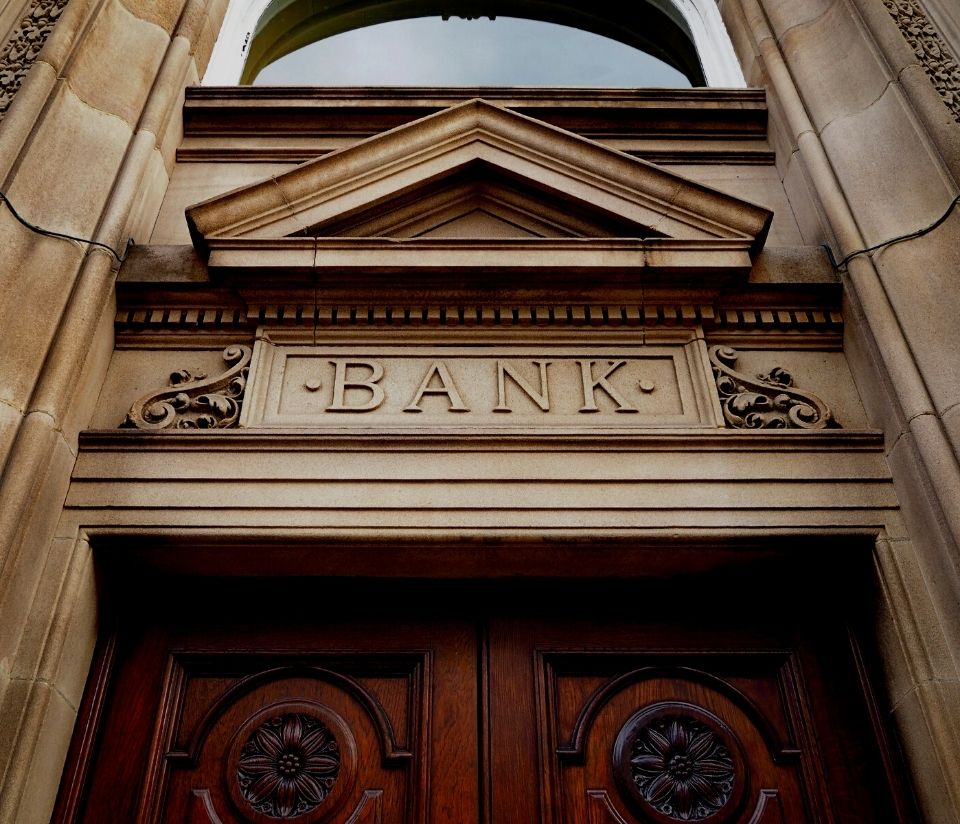
The United Kingdom has a strong and well-organized financial system that includes commercial banks and building societies. These institutions provide important services such as accepting deposits, giving loans, offering mortgages, and helping individuals and businesses manage their finances. While commercial banks operate as profit-making companies, building societies are usually owned by their members and focus mainly on savings and home loans.
Some of the well-known commercial banks in the UK include HSBC, Barclays, Lloyds Bank, NatWest, and Santander UK. These banks offer a wide range of financial services such as current accounts, savings accounts, personal and business loans, credit cards, and online banking. They serve millions of customers and play a major role in supporting economic activities in the UK.
Read: How to register for GTbank internet banking and Mobile app
Another important commercial bank is Standard Chartered, which operates internationally and provides banking services for businesses and individuals around the world.
In addition to commercial banks, the UK also has many building societies. These institutions are owned by their members, meaning the customers who save or borrow money from them. Building societies mainly provide savings accounts and mortgage loans to help people buy homes.
Some well-known building societies in the UK include Nationwide Building Society, Yorkshire Building Society, Coventry Building Society, Leeds Building Society, and Skipton Building Society. These societies are trusted by many people for savings and home financing.
Functions of Banks and Building Societies
Banks and building societies are both important financial institutions in the UK and worldwide. While their ownership and focus may differ, they perform many similar functions that help individuals, businesses, and the economy.
Functions of Banks
-
Accepting Deposits
Banks allow customers to deposit money in savings accounts, current accounts, and fixed deposits, keeping it safe while paying interest on certain accounts. -
Providing Loans and Advances
Banks lend money to individuals, businesses, and organizations for purposes such as buying homes, vehicles, starting or expanding businesses, or paying for education. -
Facilitating Payments
Banks provide services for money transfer, bill payments, and online banking, including debit cards, credit cards, cheques, and ATMs. -
Investment Services
Many banks offer investment and wealth management services, helping customers grow their money. -
Foreign Exchange Services
Banks exchange foreign currencies for travelers and businesses involved in international trade. -
Credit Creation
By lending a portion of deposited money, banks help create credit, increasing the availability of money in the economy.
Functions of Building Societies
-
Savings Accounts for Members
Building societies accept deposits primarily from their members, offering savings accounts and fixed-term deposits. -
Providing Mortgages
The main function of building societies is to provide home loans (mortgages) to members, helping them buy houses. -
Financial Advice
Building societies offer guidance on savings, mortgages, and managing personal finances. -
Safe Custody of Money
They keep members’ deposits safe and sometimes provide safe deposit facilities. -
Member-Owned Structure
Unlike banks, building societies are owned by their members, meaning profits are reinvested for the benefit of members, often in the form of better interest rates or services.
Read: Absa cellphone banking: How to Register, transfer money and check Balance

Contact us; Kokobest04@gmail.com
- List of Banks and Credit Unions in the United kingdom - October 8, 2026
- List of Banks and Credit Unions in the United States - October 8, 2026
- Mortgage Preapproval Requirements: What You Need to Qualify - October 8, 2026