Personal loans have become an important source of financial support for many Nigerians. People may need extra money to pay school fees, cover medical expenses, settle urgent bills, repair a vehicle, improve their homes, manage an unexpected situation or meet other personal commitments. For salary earners, business owners and self-employed individuals, borrowing can provide temporary relief when available funds are not enough to meet an immediate need.
However, choosing a personal loan requires more than finding a lender that promises quick approval. The amount offered, interest rate, repayment period, processing fees and conditions attached to the facility all affect the real cost of borrowing. A loan that appears convenient at the point of application may become difficult to manage if repayment is too high or the borrower has not considered other financial responsibilities.
There is no single personal loan that is automatically the best choice for everyone in Nigeria. A salary earner with a regular monthly income may prefer a bank loan repaid directly from salary, while someone who needs a smaller amount urgently may consider a digital lending service. The most suitable option depends on the borrower’s income, loan purpose, eligibility and ability to repay.
Read: Lists of Banks and Microfinance Banks Offering Business Loans to SMEs in Nigeria
This article discusses personal loan options offered by selected Nigerian banks and digital lenders. It also explains what borrowers should examine before applying. Product terms can change, so the details below should be confirmed with each lender before making a borrowing decision.
Personal Loans from Commercial Banks in Nigeria
Commercial banks offer several types of personal credit. These may include salary-backed loans, salary advances, short-term digital loans and facilities for specific expenses. Many bank loans are designed for customers whose salaries are paid into accounts with the lending bank or whose employers are on an approved list.
1. UBA Personal Loan
United Bank for Africa offers a personal loan designed for salary earners who need funds for expenses such as medical bills, home improvements, professional training and other personal needs.
According to UBA’s published product information, the facility has a repayment period of up to 60 months, a minimum loan amount of ₦200,000 and a maximum of ₦30 million, subject to eligibility and the bank’s assessment. The bank lists a one-off management fee of 1%. Applicants are required to have a functional salary account and provide documents such as identification, employment information and salary records.
The longer repayment period may help eligible borrowers spread repayments over time. Nevertheless, applicants should compare the total amount repayable over the full term rather than focusing only on the monthly instalment.
2.FirstBank Personal Loan Against Salary
FirstBank of Nigeria provides a Personal Loan Against Salary for eligible employees who receive their salaries through FirstBank. The bank identifies possible uses such as school fees, rent, furnishing a home, vacations and other personal commitments.
The published product information states that repayment can extend to 60 months, subject to the borrower’s retirement age. A guarantor and equity contribution are not required under the stated product features, while salary domiciliation with FirstBank is required for the duration of the facility. Applicants must submit an application form, acceptable identification and an employer’s salary-domiciliation undertaking. Credit insurance is mandatory.
This type of facility may be relevant to employees who prefer a structured repayment arrangement linked to their salary. Applicants should still confirm the interest rate, insurance premium and other charges applicable to their individual offer.
3. FirstAdvance
FirstAdvance is a digital salary-based loan offered by FirstBank for eligible payroll customers who need access to funds before their salaries arrive. The bank’s published terms describe 30-day and 90-day variants, with eligibility based on salary history, existing loan obligations and other risk criteria.
For the 30-day variant, the bank lists a maximum of ₦1.5 million, subject to 50% of net monthly salary. The 90-day variant has a stated maximum of ₦2 million, subject to 75% of net monthly salary. The bank also lists applicable interest and fees, which may be collected upfront or incorporated into repayment depending on the variant.
Borrowers should read the offer carefully to understand how much will actually be credited after upfront deductions and when repayment will be taken.
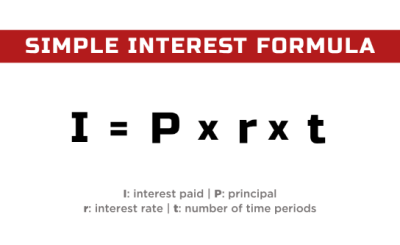
Read:Understanding Interest Charges and Their Impact on loan and Debt Repayment
4. Access Bank Salary Advance and Small Ticket Personal Loans
Access Bank offers salary-related lending products, including Salary Advance and Small Ticket Personal Loans. These are directed at eligible customers who receive their salaries through Access Bank and meet the bank’s risk requirements.
The bank’s published information states that its Small Ticket Personal Loan may provide up to 400% of net monthly salary, subject to a maximum of ₦10 million, with a repayment period of up to 12 months. The bank lists a monthly interest rate of 7%, alongside management and credit-life insurance charges. Eligibility may be affected by existing loans, salary history and whether the customer’s phone number is linked to their BVN.
Because the stated monthly rate and additional charges can produce a substantial repayment obligation, applicants should review the key fact statement and calculate the total cost before accepting the facility.
5. GTBank Salary Advance
Guaranty Trust Bank provides a Salary Advance facility for eligible salary earners whose salaries are domiciled with the bank. Its published information describes a short-term advance of up to 50% of net monthly salary, with a 30-day tenor and no collateral requirement.
The bank lists a monthly interest rate of 1.66%, a 1% management fee and a 1% insurance charge. The facility is accessible through GTBank’s digital banking channels, subject to the bank’s eligibility assessment.
A salary advance is generally intended to bridge a short gap before payday. It should not be treated as a long-term solution for expenses that recur every month, since repeated borrowing can make it harder to manage future income.
Digital Personal Loan Providers in Nigeria
Digital lenders allow customers to apply through mobile applications or online platforms. Their application processes may be convenient for people who need smaller loans or do not want to visit a bank branch. However, convenience does not necessarily mean that a loan is inexpensive.
Borrowers should check the identity of the lending institution, the total repayment amount, the repayment date, applicable fees and the consequences of late payment.
Carbon
Carbon provides personal loans through its digital platform. Its published information states that eligible customers can access loans ranging from ₦10,000 to ₦2 million, with repayment periods from 61 days to 12 months. Carbon lists monthly interest rates ranging from 4.5% to 30%, with a maximum stated APR of 195%. It also states that collateral and guarantors are not required.
Carbon’s website gives an example of a ₦1 million loan over 12 months at a monthly interest rate of 4.5%, with a total repayment of ₦1.54 million. This example shows why borrowers should examine the total amount payable rather than judging affordability by the monthly interest rate alone.
7. FairMoney
FairMoney offers digital loan services through its mobile application. Its support information explains that applicants can register with a phone number, complete identity checks, connect an active debit card and review an available loan offer through the app.
The amount and terms available to an individual borrower depend on the lender’s assessment. Applicants should verify the current interest rate, fees, repayment date and any consequences of missed payments before accepting an offer.
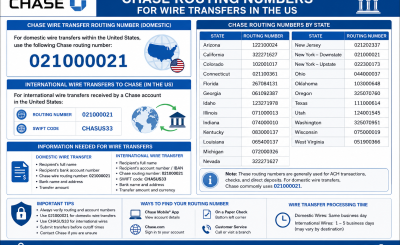
Read: Chase Routing Numbers for Wire Transfers in the US
Other Digital Lending Applications
Nigeria’s digital lending market includes several providers and loan applications. The Federal Competition and Consumer Protection Commission (FCCPC) publishes information on digital money-lending approvals, including approved companies and associated applications. Its register also identifies certain providers as licensed by the Central Bank of Nigeria.
Since applications and their operating arrangements may change, borrowers should check the FCCPC’s current information and confirm the lender’s identity before sharing personal details or accepting a loan. An application’s presence in an app store should not, by itself, be treated as proof that its lending practices or terms are suitable.
How to Choose a Personal Loan That Fits Your Needs
The right loan is one whose terms match the borrower’s financial circumstances. Before applying, consider the following issues.
Loan purpose
Be clear about why the money is needed. A loan for an urgent medical bill may be different from borrowing for a discretionary purchase. Where possible, consider whether the expense can be delayed, reduced or covered through savings or a payment arrangement.
Total cost of borrowing
Interest is only one part of the cost. Some lenders also charge processing fees, management fees, insurance premiums or late-payment penalties. Ask for a written breakdown showing the amount you will receive, the repayment dates and the total amount you must repay.
Repayment period
A longer repayment period can reduce the size of each instalment, but it may increase the total interest paid. A shorter term may cost less overall but require larger payments. Choose a schedule that leaves enough money for essential expenses.
Eligibility requirements
Banks may require salary domiciliation, employment confirmation, a minimum period of account activity or an approved employer. Digital lenders may request identity verification, BVN-linked information, account activity or other details. Applying without meeting the stated requirements may lead to rejection or an unsuitable offer.
Existing debts
Consider all current financial obligations before taking another loan. If a substantial part of your income already goes toward repayments, additional borrowing may create pressure. Avoid taking a new loan simply to repay an existing one unless the new arrangement genuinely reduces the total cost and is supported by a realistic repayment plan.
4. Documents Commonly Required
Requirements differ by lender, but applicants may be asked to provide:
-
Valid identification, such as a national identity card, driver’s licence or international passport.
-
Bank Verification Number (BVN) and verified contact details.
-
Recent payslips or evidence of salary payments.
-
Bank statements.
-
Employment details or confirmation from an employer.
-
A completed loan application form.
-
Details of existing loans or other financial obligations.
Digital lenders may collect information through their applications, while commercial banks may require additional documentation or branch-based processing.
5. Important Precautions Before Borrowing
A personal loan is a financial commitment, not additional income. Before accepting one, read the loan agreement and key fact statement carefully. Do not rely only on verbal explanations or promotional messages.
Use the lender’s official website, verified application or recognised customer-service channels. Avoid individuals who promise guaranteed approval in exchange for unofficial payments. Never disclose your password, PIN or one-time verification code to someone claiming to process a loan.
It is also wise to calculate the repayment amount against your take-home income. After paying the instalment, you should still have enough for housing, food, transport, utilities, dependants and other essential commitments. If repayment depends on uncertain future income, the loan may expose you to avoidable financial difficulty.
Read:Capitec Bank Cellphone Banking- How to buy data, airtime, transfer money and check account balance
Conclusion
Nigeria offers several personal loan options through commercial banks and digital lenders. UBA and FirstBank provide salary-linked personal loan facilities, while Access Bank and GTBank offer salary advances and other short-term credit products. Digital providers such as Carbon and FairMoney offer app-based loan application processes, subject to their eligibility checks and current terms.
These options serve different needs, and none should be described as universally best for every borrower. A salary-backed loan may suit an employee with stable income, while a digital loan may provide access to smaller amounts through a mobile application. In either case, the borrower should compare the total cost, repayment period, fees and conditions.
The most important decision is not how quickly a loan can be obtained, but whether it can be repaid without disrupting essential financial responsibilities. Borrow carefully, verify the lender and its current terms, and take only the amount that your income can reasonably support.

Contact us; Kokobest04@gmail.com
- Best personal loans lender in Nigeria - September 29, 2026
- Lists of Banks and Microfinance Banks Offering Business Loans to SMEs in Nigeria - September 29, 2026
- Understanding Interest Charges and Their Impact on loan and Debt Repayment - September 29, 2026